

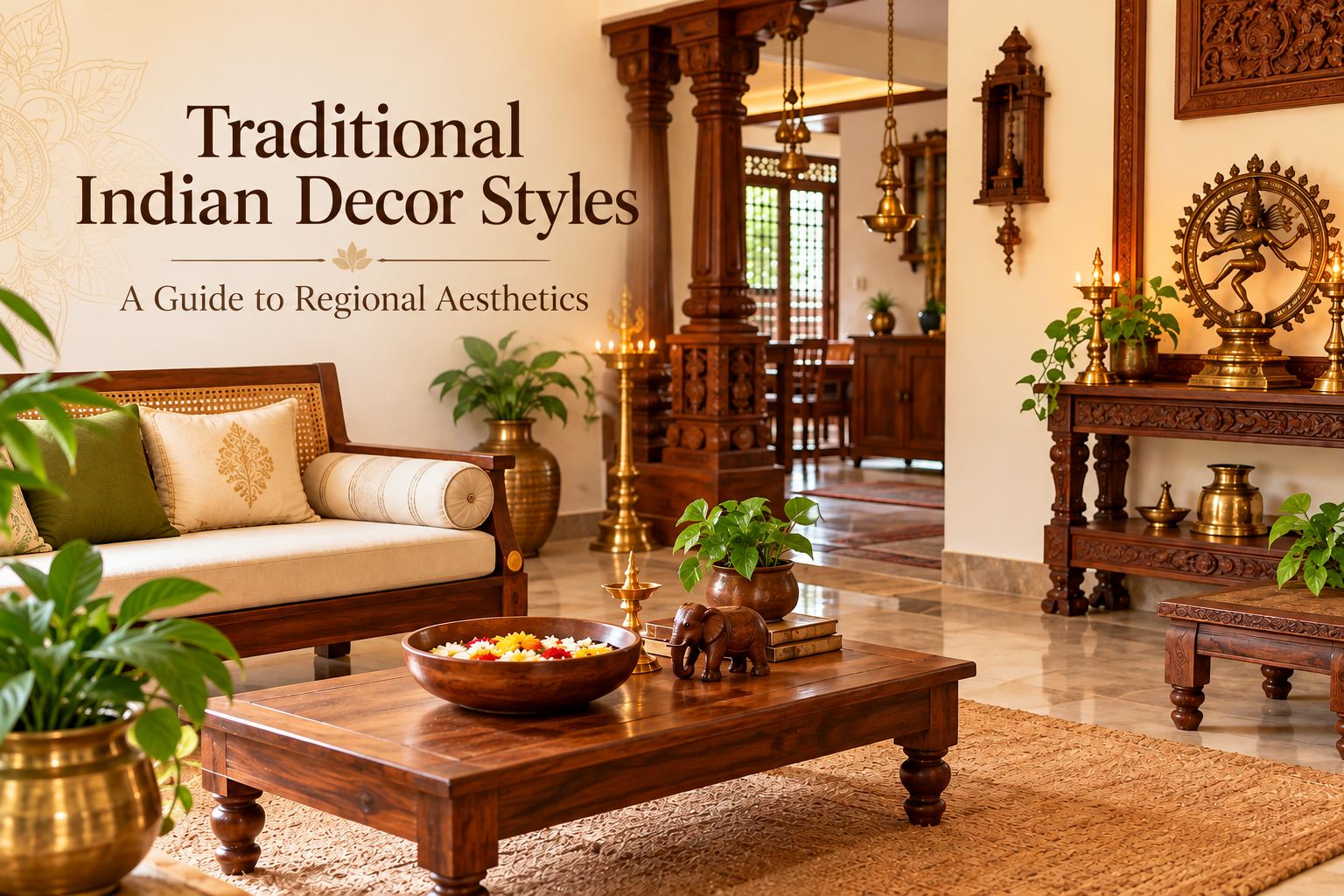

India has a wide range of regional design influences, and traditional Indian decor styles can vary significantly in materials, colours, furniture, decorative objects and craftsmanship. You do not need to recreate an entire regional interior to bring this character into your home. A few carefully selected wooden artefacts, natural-material accents or traditional-inspired pieces can add personality while working naturally with modern furniture.
The best approach is to choose traditional Indian decor styles that complement your existing space instead of filling every room with decorative objects. Consider the room size, furniture, colours, material combinations and practical use before choosing individual pieces.
South Indian Decor Style with Wooden Accents
South Indian interiors can work particularly well with warm wood tones, traditional-inspired objects and practical layouts. For a contemporary home, you can introduce these elements through carefully selected decorative pieces rather than completely changing the room.
Consider:
- Wooden decorative artefacts
- Traditional-inspired wall decor
- Wooden centrepieces
- Suitable pooja decor
- Natural-material accents
A wooden piece can work especially well with modern sofas, contemporary tables and neutral walls.
For a deeper look at this regional approach, explore these South Indian home decor ideas and see how traditional details can be balanced with modern interiors.
Rajasthani-Inspired Decor for a Stronger Visual Character
Rajasthani-inspired interiors can bring a stronger decorative presence through detailed patterns, statement objects and craft-inspired accents.
You do not need to completely redesign a room. Instead, choose one prominent piece and allow the surrounding furniture to remain relatively simple.
You could use:
- A decorative artefact
- A traditional-inspired wall piece
- A statement centrepiece
- A craft-inspired accent
When a decorative piece contains a lot of visual detail, open space becomes important. This prevents the room from feeling overcrowded.
Kerala-Inspired Home Decor with Natural Materials
Kerala-inspired interiors can provide inspiration through natural-looking materials, wooden elements and simple functional spaces.
For a contemporary home, consider:
- Wooden furniture accents
- Wooden decorative pieces
- Natural-material accessories
- Simple traditional-inspired artefacts
The goal is not to reproduce a particular house style. Instead, select individual elements that create a warm and natural atmosphere.
Wood can also connect different rooms because it works as both a decorative and functional material.
Tamil-Inspired Traditional Decor
Tamil-inspired interiors can introduce traditional character through wooden craftsmanship, temple-inspired objects and spaces associated with family and spiritual practices.
Some suitable options include:
- Wooden temple-inspired artefacts
- Traditional decorative pieces
- Wooden chariot or rath replicas
- Suitable pooja decor
- Natural-material accents
A Wooden Temple Rath can become a distinctive focal point when its size and design suit the room. It can work particularly well in a spacious living room, display area or suitable traditional setting.
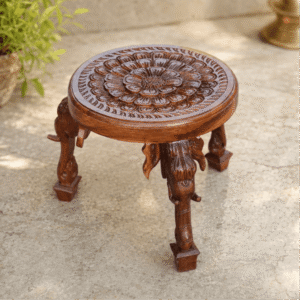
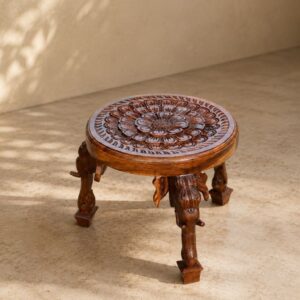
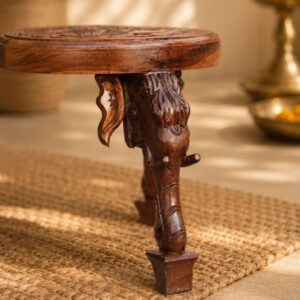
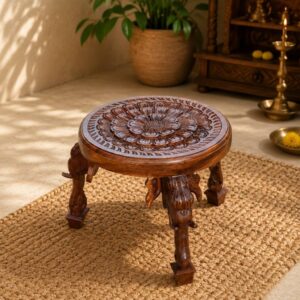
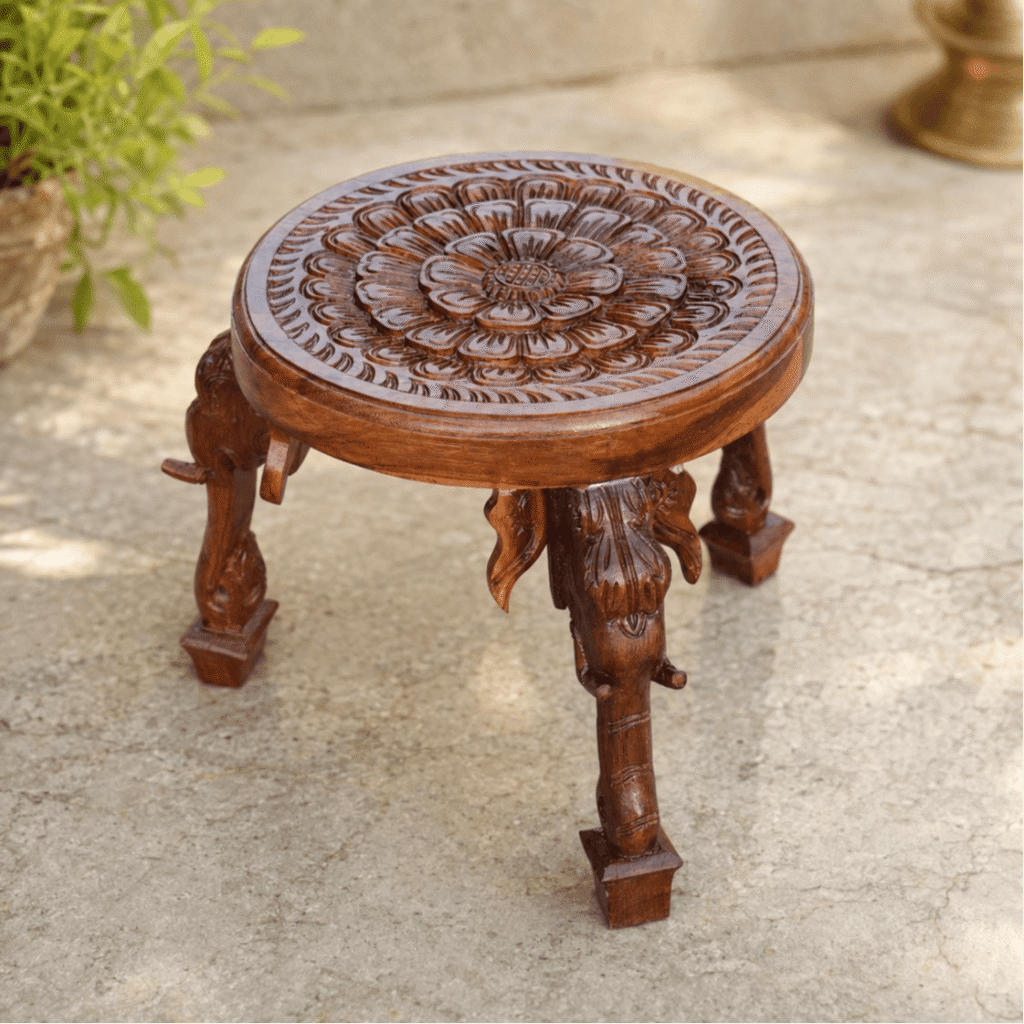
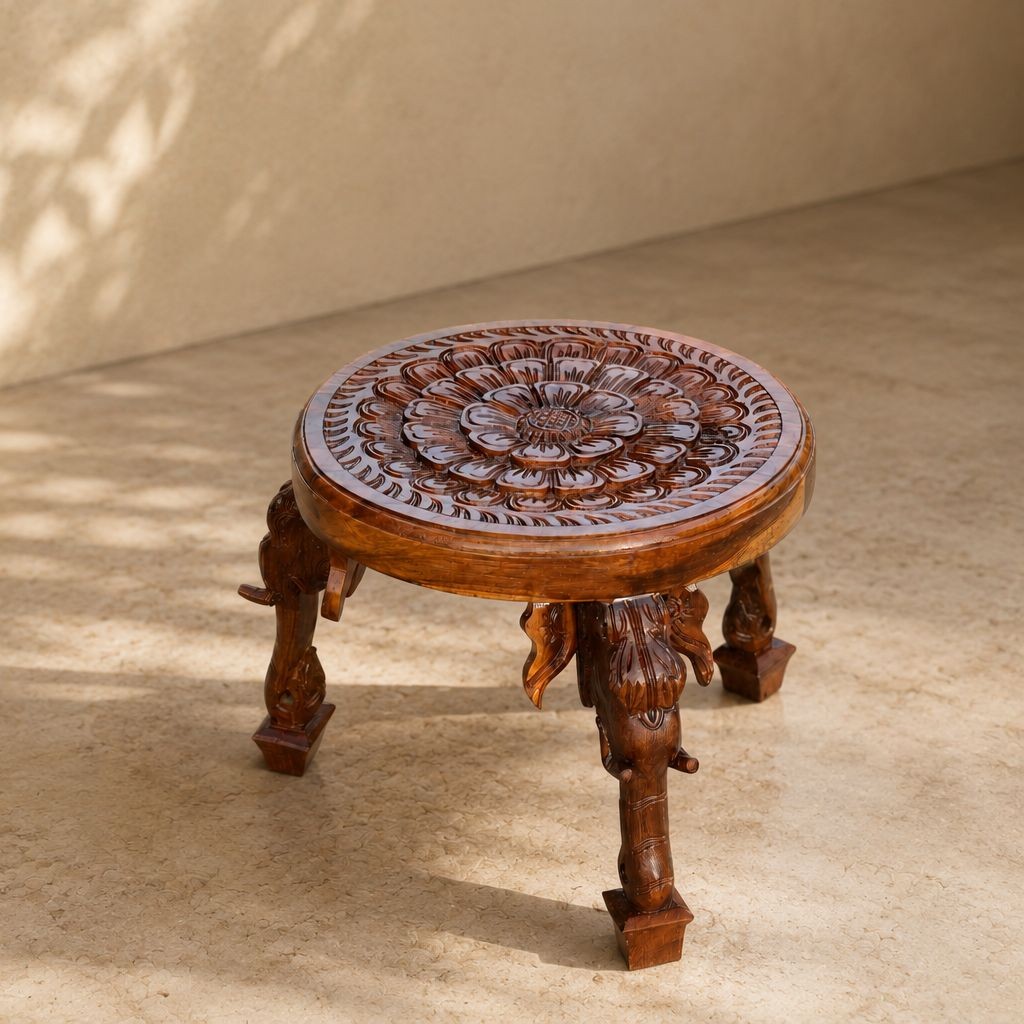
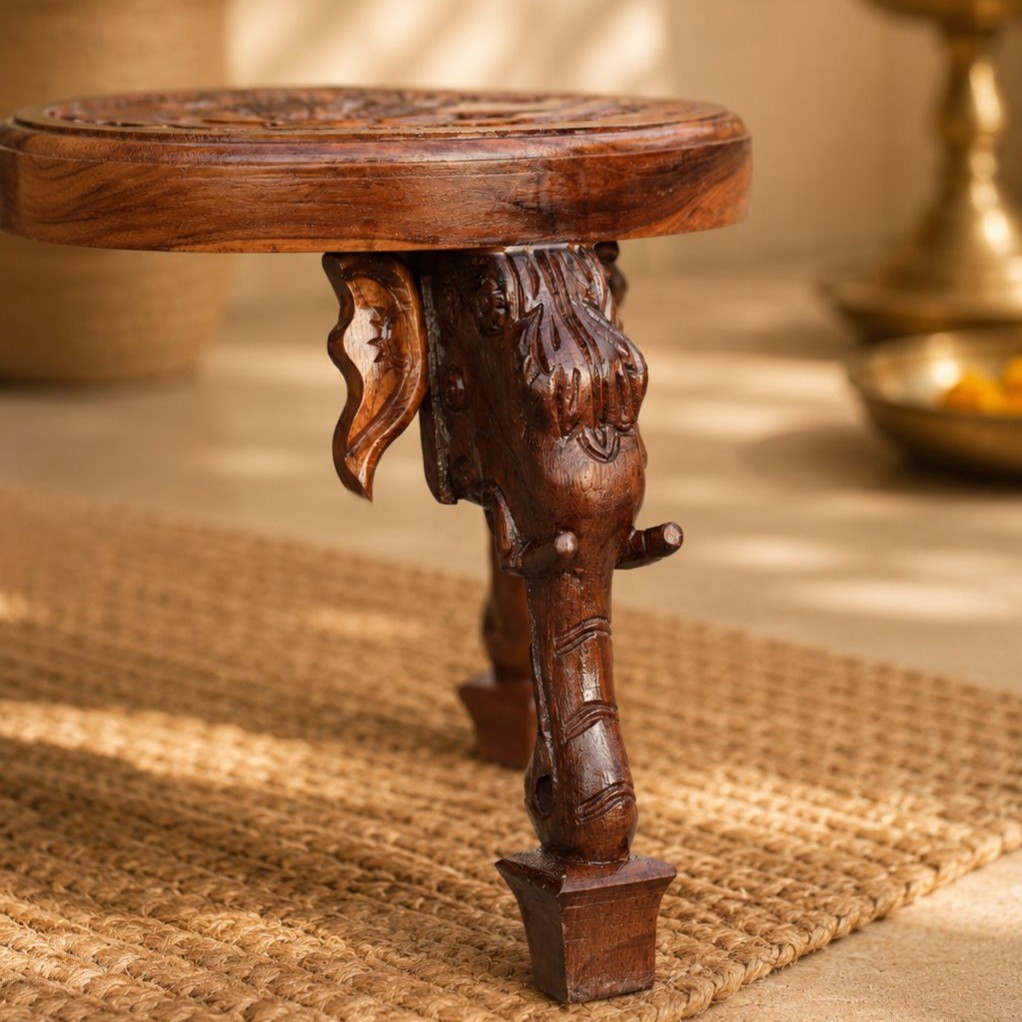
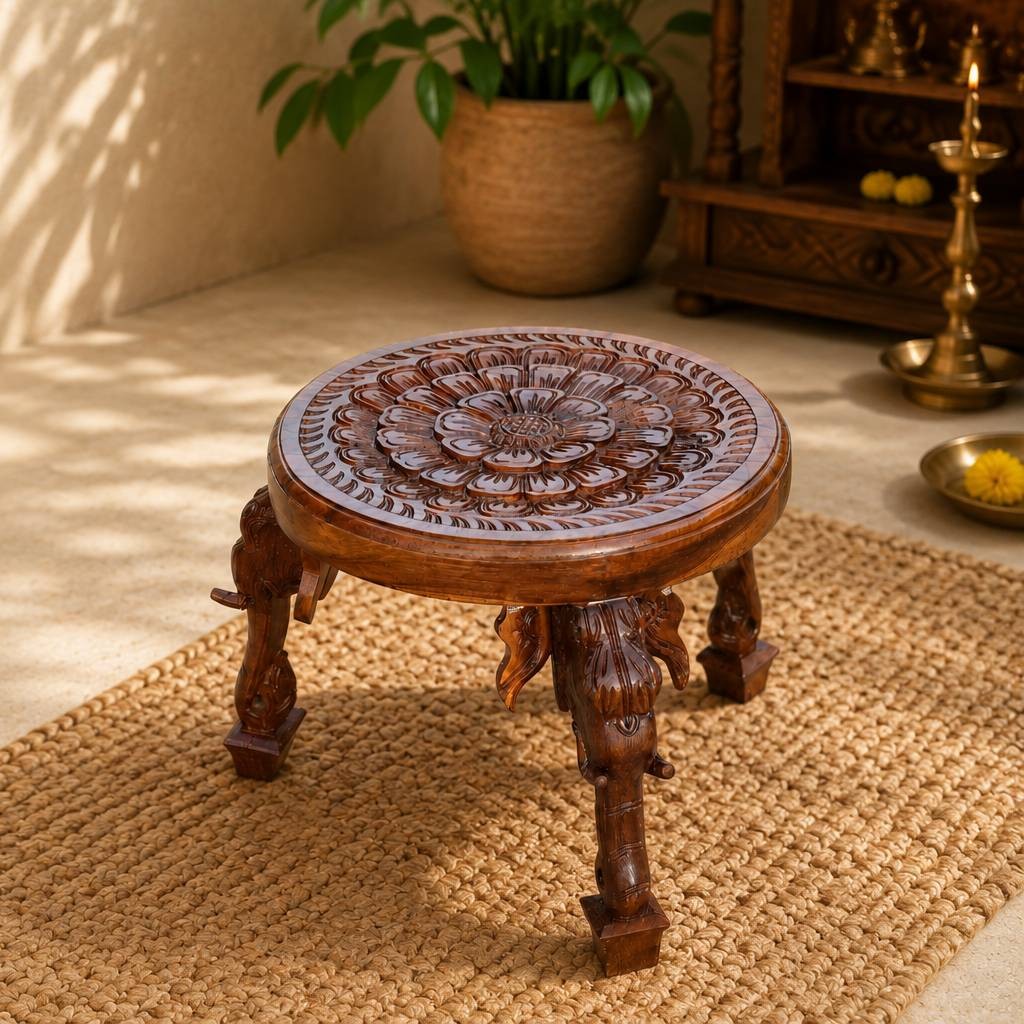
Wooden Stool Mookali
Invoke timeless heritage, grace, and auspicious energy in your home with the Dakshaara Hand-Carved Teak Wood Stool (Mookali),
Before purchasing a larger decorative piece, measure the available space and consider how much surrounding area is needed to appreciate the details.
Chettinad-Inspired Decor for Detailed Interiors
Chettinad-inspired interiors can provide inspiration for homes that appreciate strong visual character and detailed traditional aesthetics.
Instead of recreating an entire Chettinad-style interior, introduce the influence through selected decorative pieces.
Try:
- A detailed wooden artefact
- Traditional-inspired decorative objects
- Strong statement pieces
- Natural-material accents
Because detailed objects naturally attract attention, keep the surrounding furniture and decor relatively simple.
Bengali-Inspired Traditional Decor
Bengali-inspired interiors can be interpreted through artistic decorative objects, traditional motifs and carefully selected cultural accents.
You can introduce a subtle influence through:
- A decorative wall piece
- A traditional-inspired artefact
- A compact wooden accent
- An artistic centrepiece
Choose pieces according to your own interior preferences rather than attempting to reproduce every characteristic associated with a regional style.
Gujarati-Inspired Decor
Gujarati-inspired decor can provide visual interest through decorative patterns, craft-based objects and colourful accents.
If your home has a minimalist interior, introduce this influence gradually. One carefully selected decorative object may be enough to create a regional connection.
Consider:
- Decorative artefacts
- Traditional-inspired wall decor
- Craft-based accents
- A statement piece for a display area
Keeping the rest of the room relatively neutral can help the selected piece become the focal point.
Maharashtrian-Inspired Decor
Maharashtrian-inspired decor can be introduced through traditional decorative forms, wood and cultural accents.
For a modern home, consider:
- Wooden artefacts
- Traditional-inspired decorative pieces
- Simple wall accents
- Suitable spiritual decor
The most important consideration is how these pieces work with your existing furniture and room proportions.
Kashmiri-Inspired Decor
Kashmiri-inspired interiors can provide inspiration through detailed craftsmanship, decorative patterns and artistic objects.
You do not need to reproduce the complete regional style. Instead, use one or two pieces as visual accents.
A decorative object can be placed on:
- A console
- A display shelf
- A side table
- A cabinet
Leave enough space around detailed pieces so their design remains visible.
How to Mix Traditional Indian Decor Styles with Modern Interiors
One of the most practical ways to use traditional Indian decor styles is to combine traditional pieces with contemporary furniture rather than choosing one style exclusively.
Modern Furniture with Traditional Artefacts
A contemporary sofa or console can provide a clean background for a detailed wooden artefact.
Minimal Interior with a Statement Piece
A simple room can use one traditional-inspired piece as its main focal point.
Modern Dining Area with Wooden Accessories
Suitable wooden serving products or a centrepiece can introduce warmth without changing the dining furniture.
Contemporary Pooja Space with Traditional Elements
A clean modern layout can be combined with suitable spiritual and traditional-inspired decor according to the household’s preferences.
The key is proportion. If the traditional piece is detailed, keep the surrounding elements simple.
Use Wood to Connect Different Decor Styles
Wood is particularly useful when combining traditional Indian decor styles with contemporary interiors because it can work as both a functional and decorative material.
Depending on the product, wooden pieces can be used for:
- Living room decor
- Dining areas
- Kitchen accessories
- Entryway styling
- Display shelves
- Pooja spaces
Different wooden products have different finishes and care requirements, so check the product information before deciding where and how to use them.
For example, a wooden Mookali can add a traditional wooden element to a suitable room without requiring a major interior change.
Add Natural Materials as Supporting Elements
Natural-material products can add texture without requiring a complete redesign.
Coconut shell decor is one option to consider. Its natural appearance can complement wooden products and neutral interiors.
A coconut shell dhoop stand can work as a practical decorative element in an appropriate spiritual setting when used according to its intended purpose and care requirements.
The key is moderation. Natural materials usually work better when they support the overall room rather than appearing on every available surface.
How to Choose Traditional Indian Decor Styles for Each Room
Different rooms require different approaches to traditional Indian decor styles.
Living Room
Choose one or two decorative artefacts as focal points. Avoid filling every shelf with similar pieces.
Dining Area
Consider suitable wooden serving products or a simple centrepiece.
Entryway
Use compact decor that does not obstruct movement.
Kitchen
Choose wooden products designed for kitchen use and follow their care instructions.
Pooja Area
Select suitable spiritual and traditional-inspired decor according to your family’s practices.
Bedroom
Keep regional influences subtle with one or two suitable decorative accents.
How to Choose the Right Traditional Indian Decor
Before purchasing regional-inspired decor, consider:
Existing interior: Choose pieces that complement your furniture instead of competing with it.
Room size: Large decorative objects can overwhelm smaller rooms.
Colour balance: If your room already has strong colours, a simpler accent may work better.
Material: Check whether the product is made from wood, coconut shell or another material.
Purpose: Decide whether you want a decorative object, functional product, collectible or spiritual item.
Maintenance: Consider cleaning, storage and care requirements.
Personal connection: Choose regional styles that genuinely appeal to you rather than selecting decor simply because it is popular.
Avoid Turning Your Home into a Display Room
The best traditional Indian decor styles are not necessarily the ones with the most decorative objects. Traditional pieces need enough space around them to be appreciated.
Instead of placing several artefacts together:
- Select one focal point.
- Keep surrounding furniture simple.
- Leave some empty space.
- Mix decorative and practical items.
- Repeat materials subtly rather than excessively.
This approach allows traditional pieces to feel natural in a contemporary home.
Explore Traditional Indian Decor at Dakshaara
Dakshaara focuses on wooden decor, natural materials and traditional-inspired products that can work with modern Indian interiors.
You can begin by exploring the Dakshaara home page and then choose individual pieces according to your room, existing furniture and intended use.
You do not need to commit to one regional style throughout your home. You can take inspiration from different traditional Indian decor styles and select pieces that work together through similar materials, colours or visual balance.
Before purchasing, check the individual product details for current dimensions, material information, availability, care requirements and intended use.
Traditional Indian decor does not have to mean an old-fashioned interior. With thoughtful selection and balanced placement, regional influences can work naturally alongside modern design.
Frequently Asked Questions
What are the main traditional Indian decor styles?
Indian interiors vary significantly by region. South Indian, Rajasthani, Kerala, Tamil, Chettinad, Bengali, Gujarati, Maharashtrian and Kashmiri-inspired styles are examples of regional influences that can inspire home interiors.
How can I add traditional Indian decor to a modern home?
Start with one or two traditional-inspired artefacts, wooden accents or natural-material pieces. Keep the surrounding furniture and decor relatively simple.
What wooden decor works well with traditional Indian interiors?
Wooden artefacts, traditional-inspired wall decor, centrepieces, temple-themed pieces and suitable wooden accessories can complement traditional interiors.
Can I mix different Indian regional decor styles?
Yes. You can combine elements from different regional styles, but keep the overall room balanced. Using a consistent material, colour direction or visual theme can help connect different pieces.
How do I choose Indian decor for a small home?
Choose compact decorative pieces and avoid overcrowding. One statement artefact or a few small accents can create regional character without taking up too much space.
Is wooden decor suitable for modern Indian homes?
Yes. Wooden products can work with modern furniture when their size, finish and design complement the existing interior.
Leave a Reply