

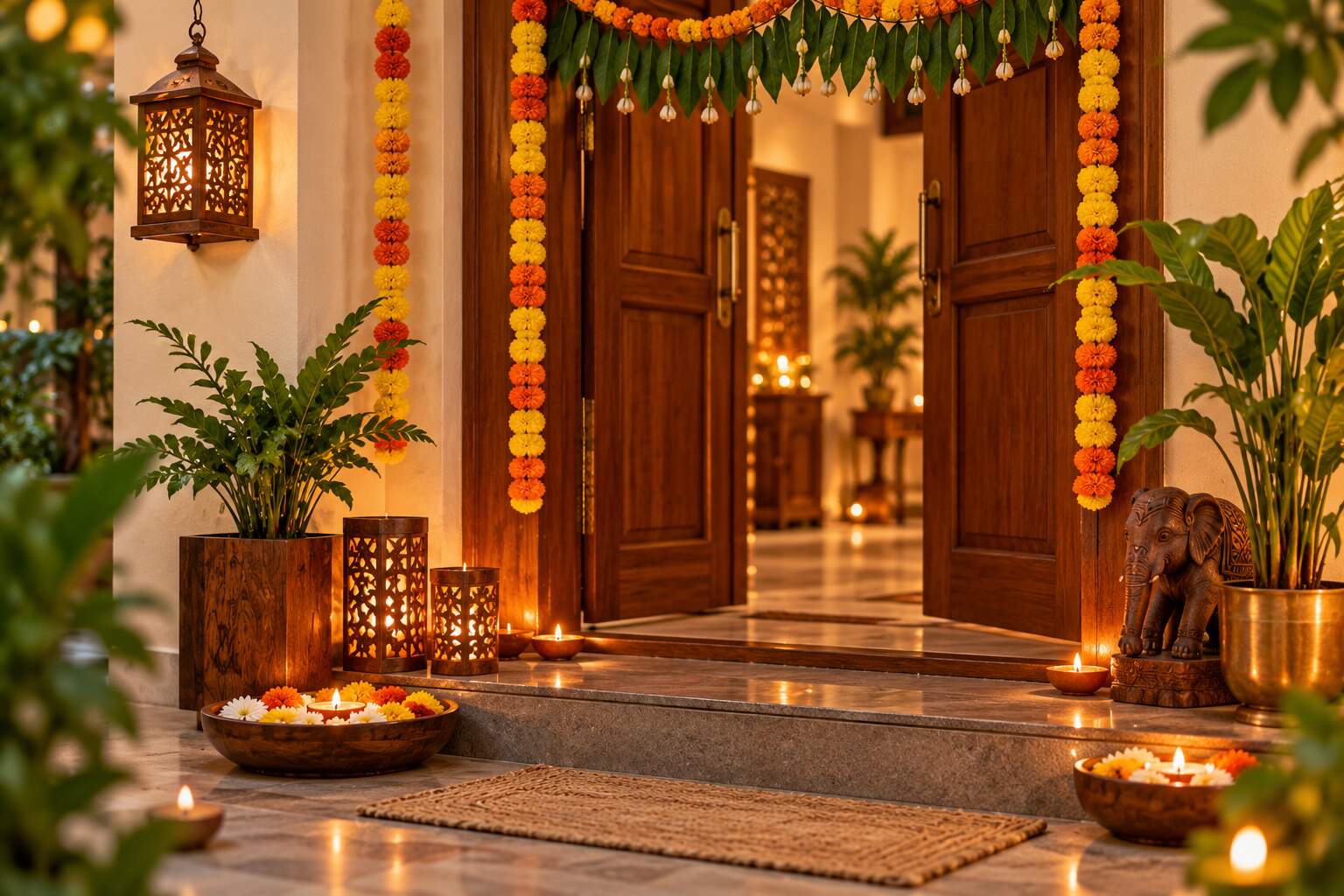

Diwali is a celebration of light, happiness, and togetherness. As homes come alive with glowing diyas, colourful rangoli, and festive decorations, many families are looking for ways to celebrate the festival while making more conscious choices.
Eco-friendly Diwali decoration is a beautiful way to bring together traditional Indian aesthetics, natural materials, and sustainable living. Instead of relying on disposable plastic decorations and mass-produced accessories, you can create a festive atmosphere using flowers, wood, clay, natural fibres, and handcrafted decor.
These materials bring warmth, texture, and character to your home while supporting the beauty of traditional craftsmanship.
Whether you are decorating your living room, entrance, pooja room, or balcony, sustainable Diwali decorations can be both elegant and meaningful. From handcrafted wooden decor to traditional terracotta diyas, small changes can make your festive celebrations feel more thoughtful.
In this guide, discover eco-friendly Diwali decoration ideas using natural materials and handcrafted decor to create a beautiful festive home.
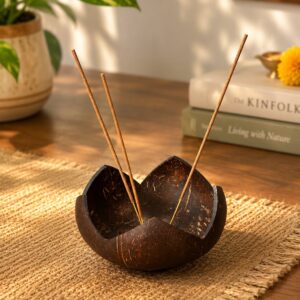
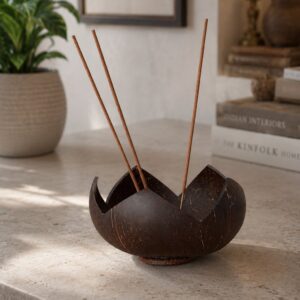
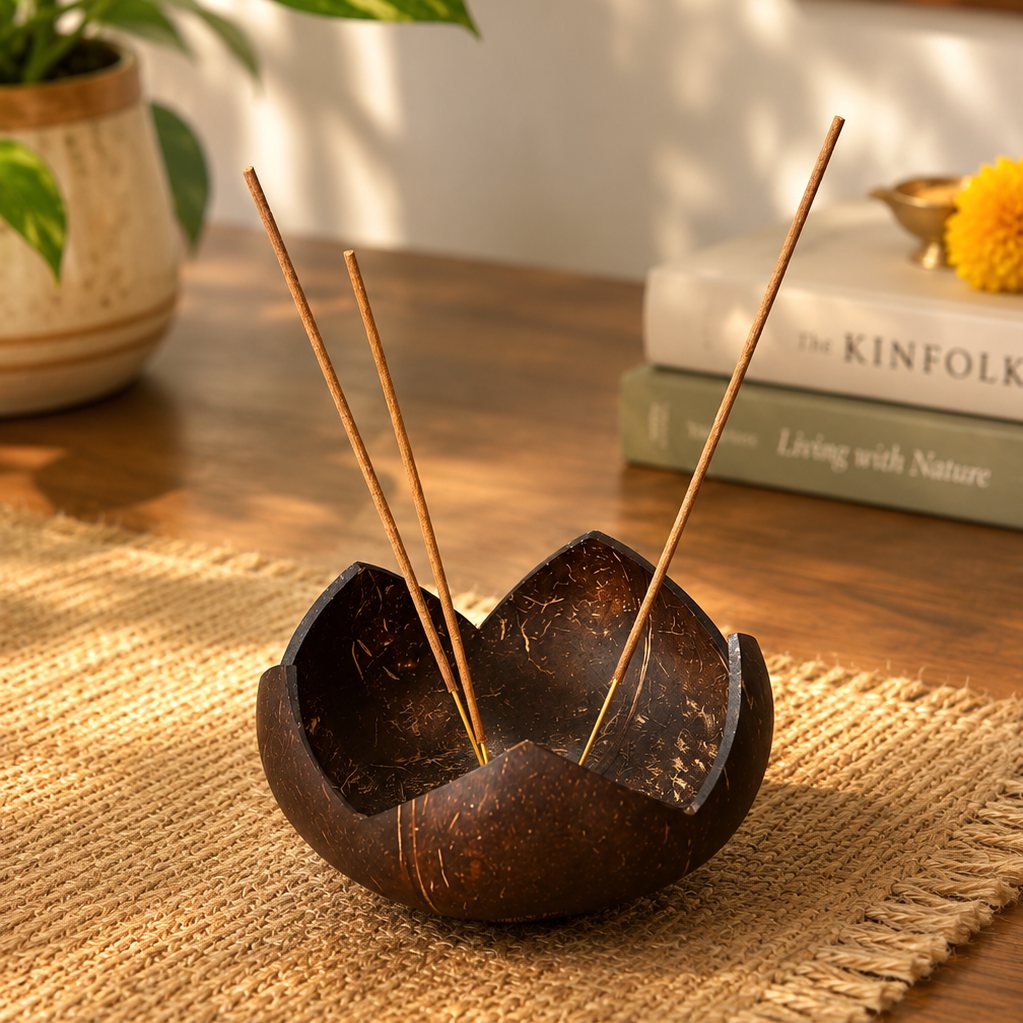
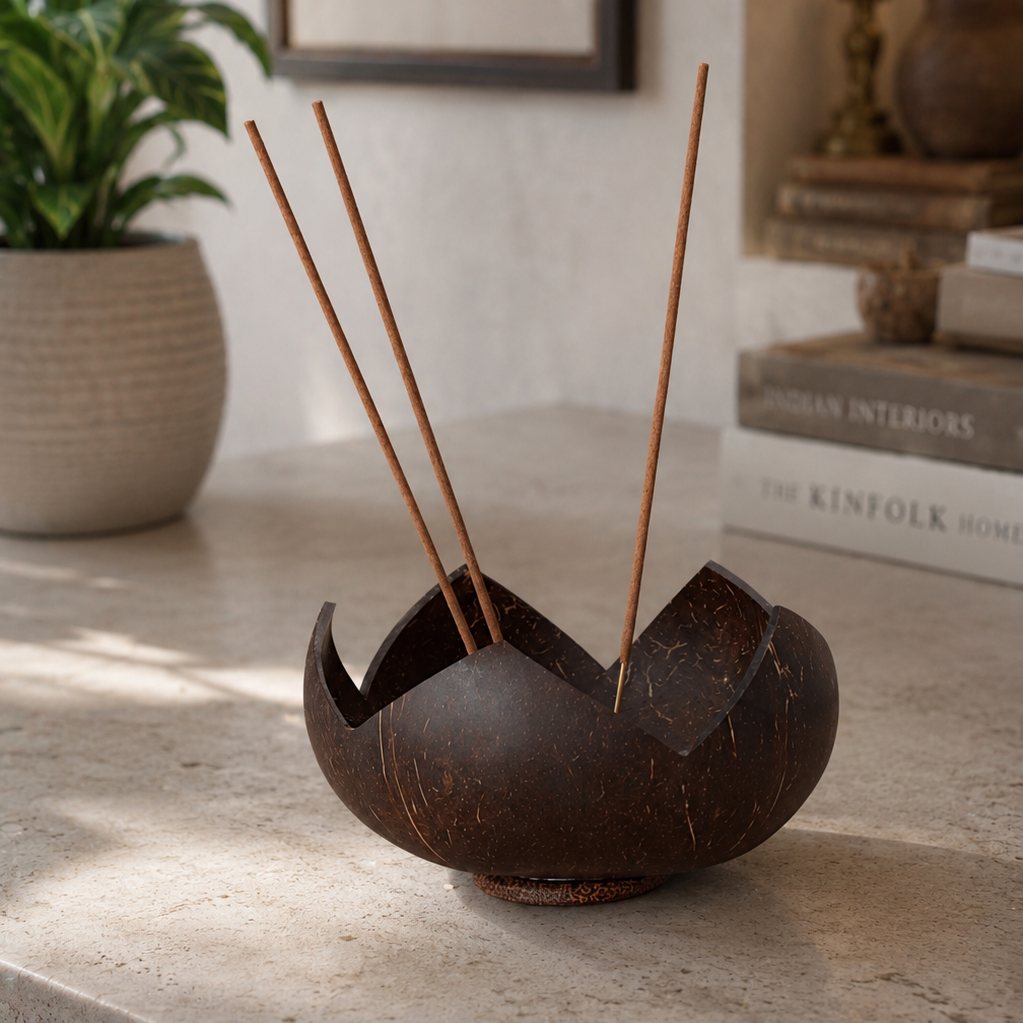
Coconut Shell Agarbatti Stand with Ash Catcher
Dakshaara Coconut Shell Agarbatti Stand with Ash Catcher
1. Decorate Your Home with Handcrafted Wooden Decor
Wood is one of the most versatile materials for creating a warm and inviting festive atmosphere. Its natural textures and timeless appearance make it suitable for both traditional and contemporary Indian homes.
Handcrafted wooden decor can be used throughout the year, making it a practical alternative to seasonal decorations that are discarded after the festival.
For Diwali, consider incorporating:
- Handcrafted wooden wall hangings.
- Decorative wooden sculptures.
- Wooden candle holders.
- Traditional wooden trays.
- Wooden decorative panels.
- Handcrafted wooden bowls and centrepieces.
A beautifully designed wooden centrepiece can become the focal point of your living room. You can style it with fresh flowers, natural leaves, or traditional brass accessories to create a festive arrangement.
Wooden wall decor can also be used to enhance an otherwise simple wall. Traditional motifs and natural finishes bring an element of Indian heritage into the home.
When selecting wooden decor, consider responsibly sourced wood and products designed for long-term use.
At Dakshaara, thoughtfully designed wooden decor celebrates the beauty of traditional Indian craftsmanship while bringing timeless character to modern homes.
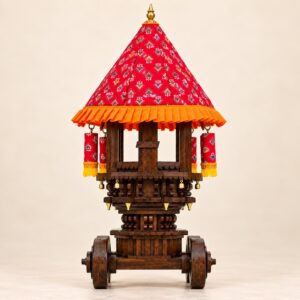
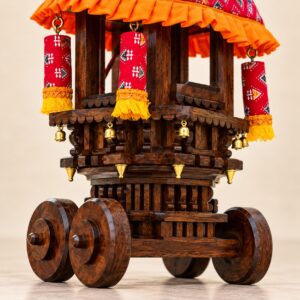
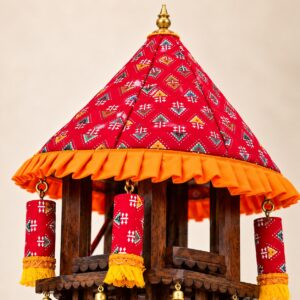
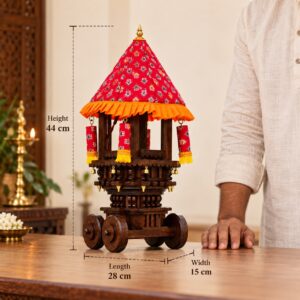
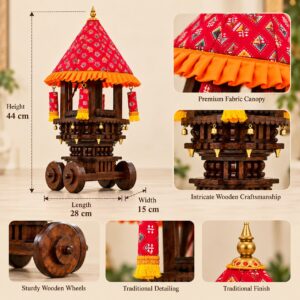
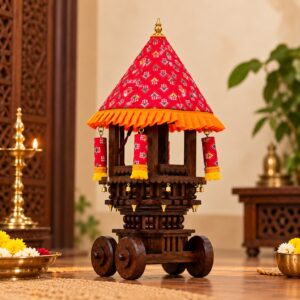
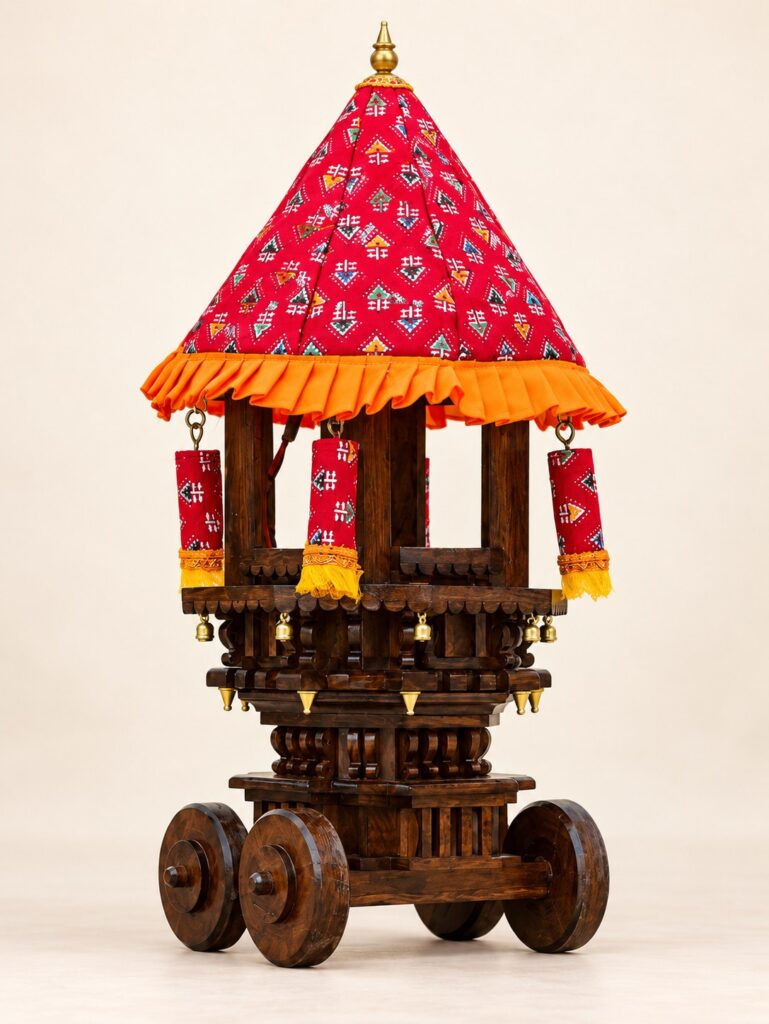
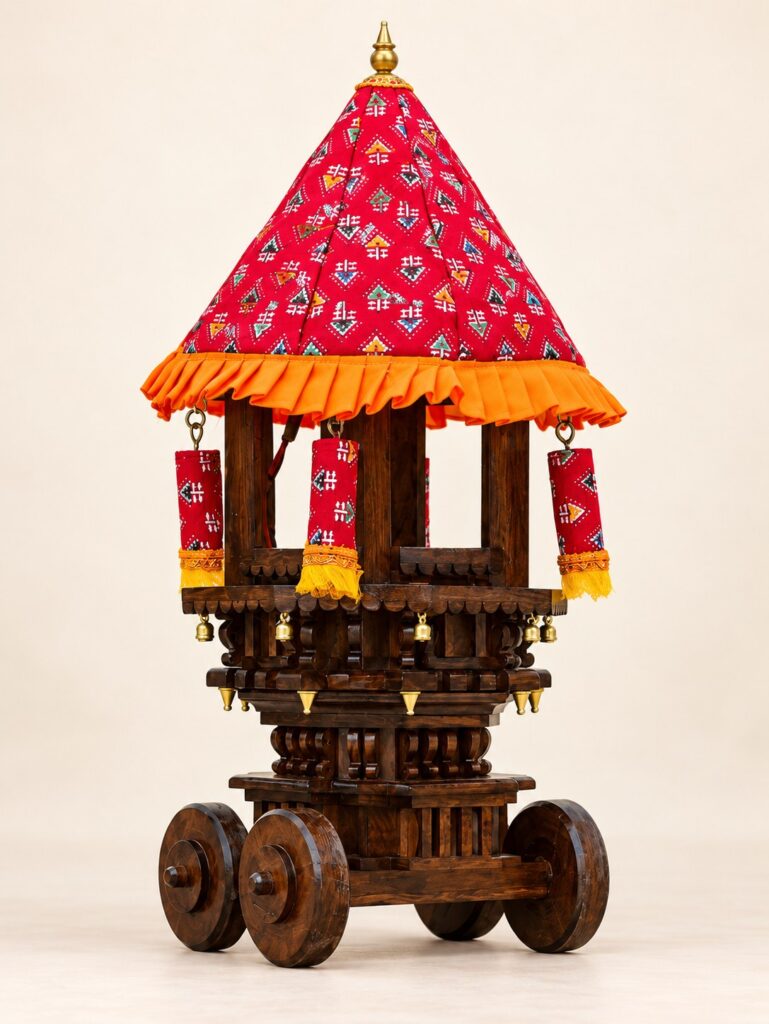
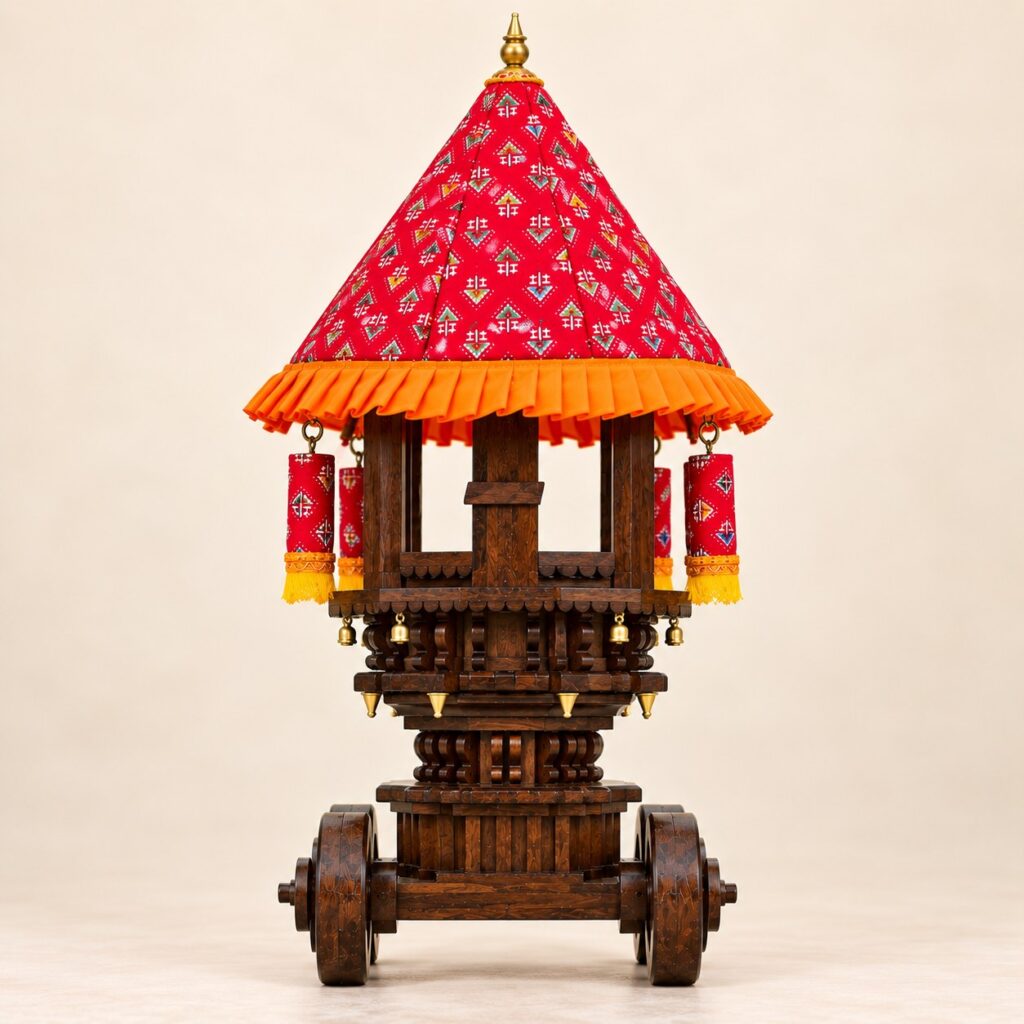
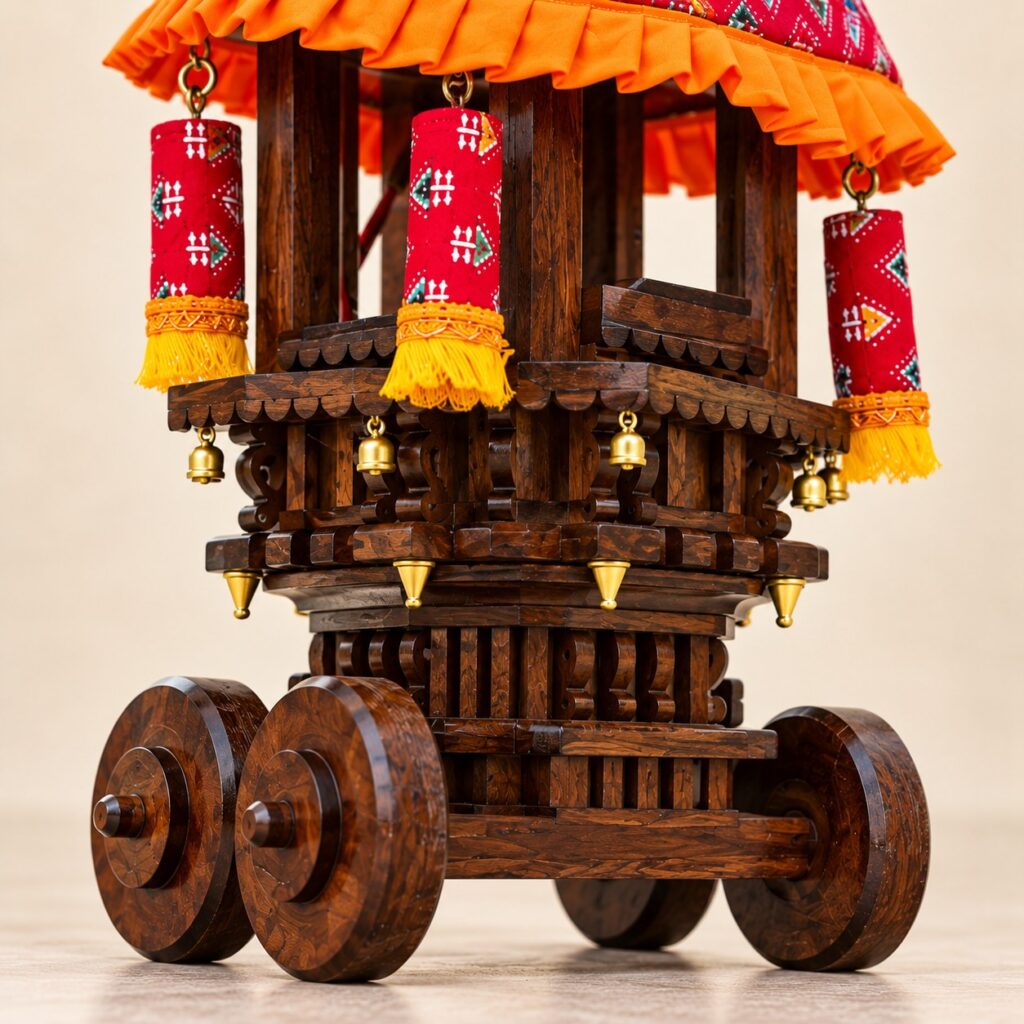
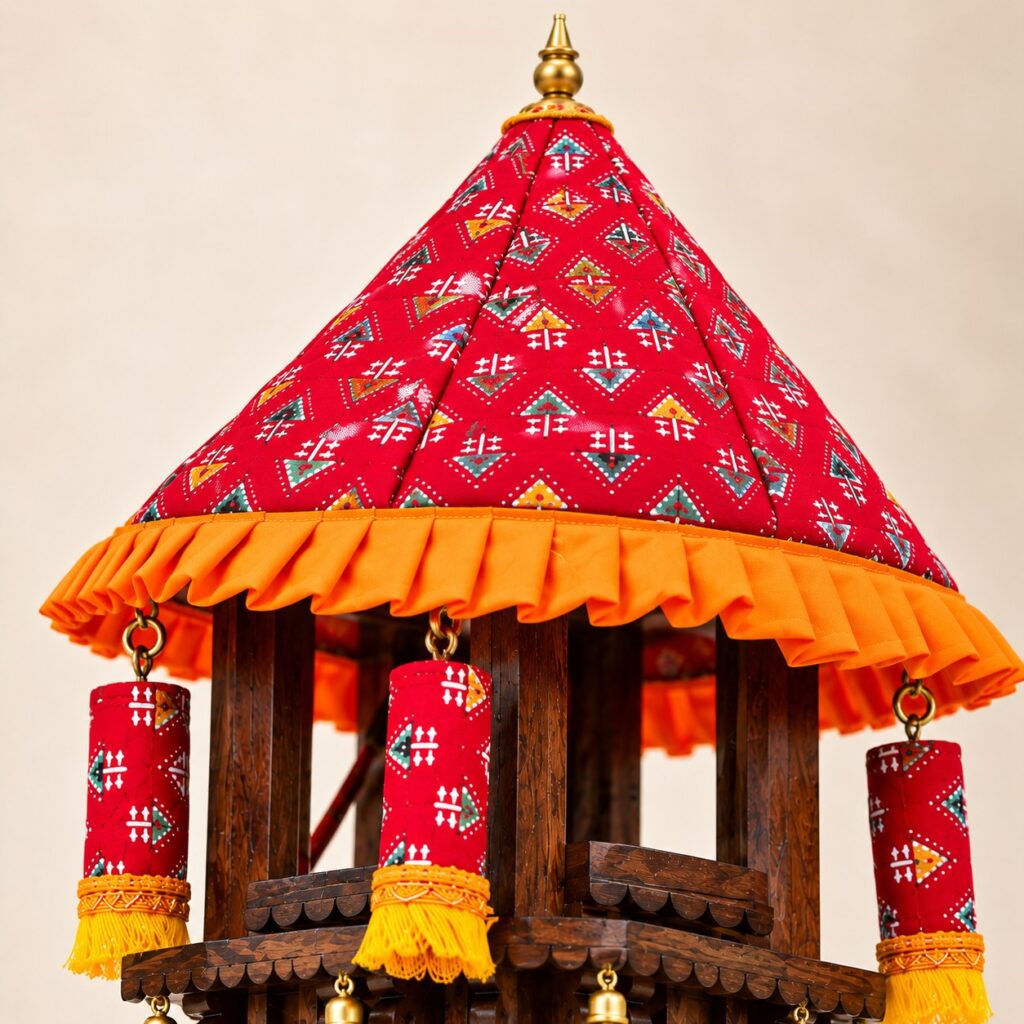
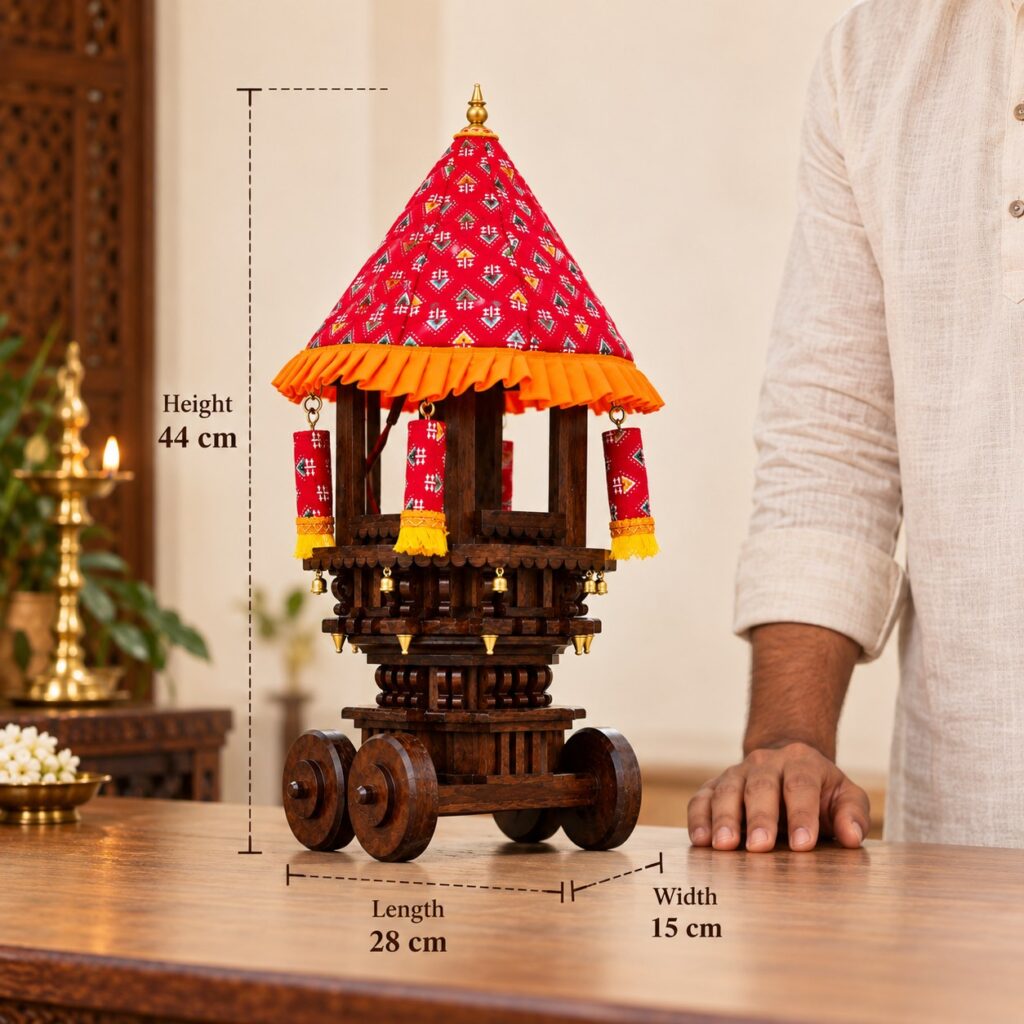
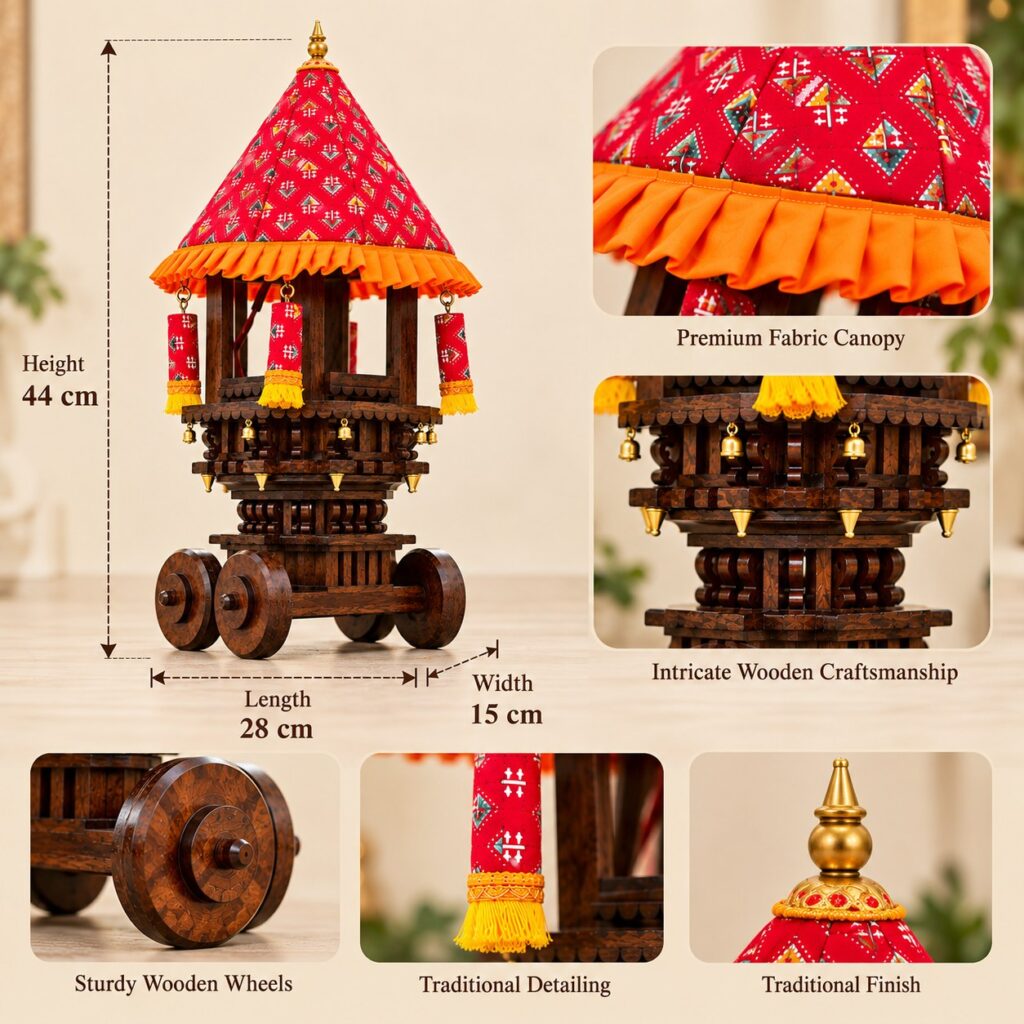
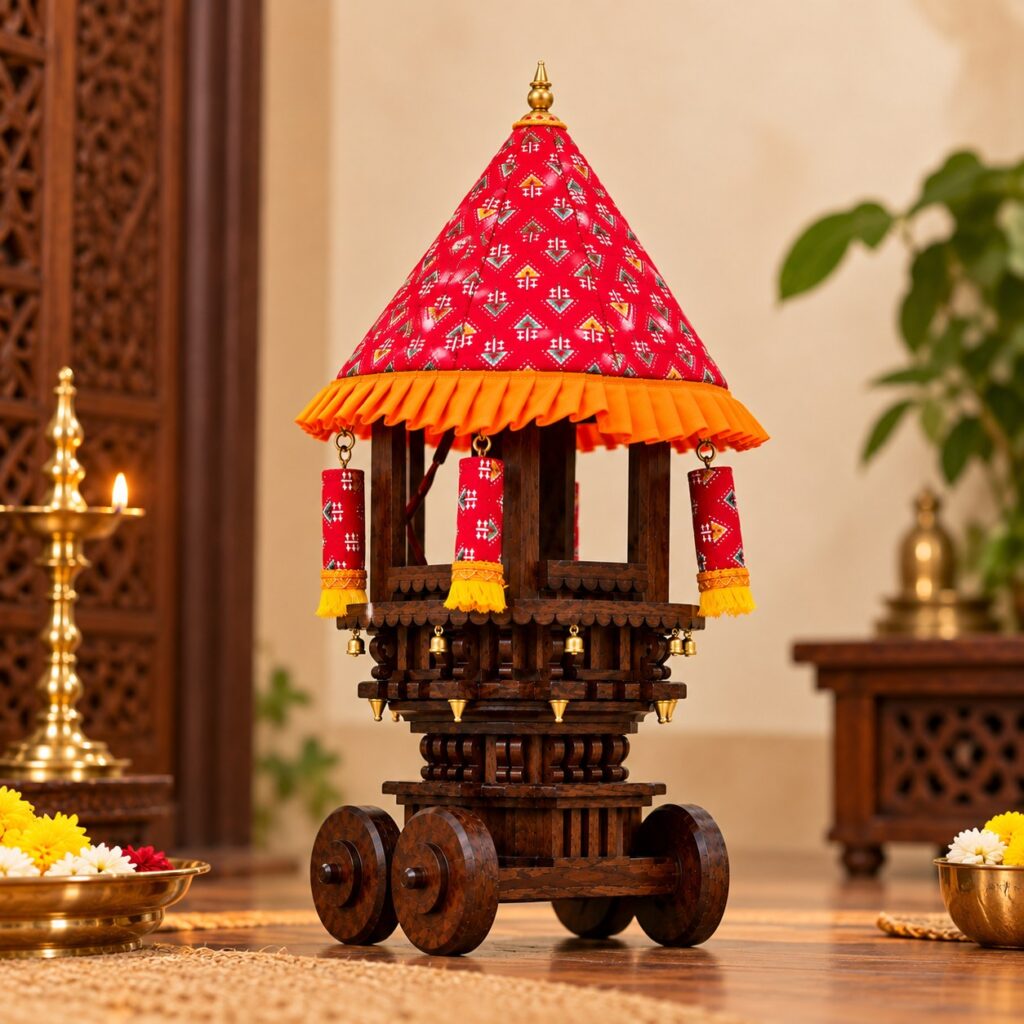
Wooden Temple Chariot Rath
Bring the grandeur of traditional temple heritage into your home with this exquisitely handcrafted Wooden temple chariot Rath.
2. Choose Traditional Clay Diyas Instead of Disposable Decorations
Lighting diyas is one of the most cherished traditions associated with Diwali.
Traditional clay diyas offer a beautiful way to celebrate the festival using a natural material. Their earthy appearance complements wooden furniture, traditional Indian interiors, and handcrafted decorative accessories.
You can create beautiful diya arrangements using:
- Traditional terracotta diyas.
- Hand-painted clay lamps.
- Decorative clay diya holders.
- Small clay lamps arranged along windowsills.
- Clay diyas placed around floral rangoli.
For a traditional appearance, arrange several clay diyas around the entrance of your home.
You can also place a few diyas near your wooden temple or use them to highlight a decorative corner.
Clay diyas can often be reused when handled and stored carefully. Clean them after use, allow them to dry completely, and store them in a protective container for future celebrations.
Always place diyas on stable, heat-resistant surfaces and keep them away from curtains, wooden decorations, and other combustible materials.
3. Use Fresh Flowers and Leaves for Natural Festive Decorations
Flowers are an essential part of Indian festivals. Their colours and fragrance can transform a simple space into a beautiful festive setting.
During Diwali, marigolds, jasmine, roses, and other seasonal flowers are commonly used to decorate entrances, pooja rooms, and living spaces.
Fresh flowers are a wonderful alternative to disposable plastic garlands.
Here are some ways to use flowers for eco-friendly Diwali decoration:
Marigold garlands: Hang them around doorways, windows, and wooden temples.
Floral rangoli: Use flower petals to create traditional patterns near the entrance.
Flower bowls: Arrange fresh flowers in decorative bowls filled with water.
Leaf decorations: Use mango leaves or other suitable fresh foliage for traditional festive arrangements.
Natural centrepieces: Combine flowers, leaves, and wooden trays to create a simple living room decoration.
For a coordinated appearance, choose flowers that complement your existing home decor.
Orange marigolds work beautifully with natural wood, while white jasmine and roses can create a softer, more elegant appearance.
After the festival, suitable untreated flowers and leaves can be composted rather than discarded with mixed waste.
4. Create Beautiful Rangoli Using Natural Materials
Rangoli is an important part of Diwali celebrations. It welcomes guests and adds colour to the entrance of a home.
Traditional rangoli can be created using natural and biodegradable materials instead of synthetic colours.
Some suitable materials include:
- Fresh flower petals.
- Rice flour.
- Natural turmeric.
- Natural vermilion alternatives.
- Coloured lentils and grains.
- Leaves and small flowers.
A floral rangoli made using marigold petals, rose petals, and white flowers can create a beautiful festive appearance.
For a traditional design, consider lotus motifs, geometric patterns, diyas, or simple circular arrangements.
You can also create a rangoli around a handcrafted wooden or clay decorative piece.
For smaller spaces, a compact floral rangoli near the entrance can be just as attractive as a large design.
Natural rangoli materials can be easier to clean up and may reduce the need for synthetic decorative powders. However, choose materials carefully and avoid anything that could cause allergies or create a slippery surface.
5. Decorate Your Living Room with Natural Fibre Accessories
Natural fibres such as cotton, jute, and other plant-based materials bring texture and warmth to festive interiors.
They are especially suitable for homes that follow a traditional, rustic, or minimalist design style.
For Diwali, consider using:
- Jute baskets for decorative arrangements.
- Cotton cushion covers.
- Handwoven table runners.
- Natural fibre wall hangings.
- Woven decorative mats.
- Handcrafted fabric accessories.
A handwoven table runner can transform a simple dining table into a festive display.
You can place a wooden tray with flowers and brass accessories on top to create a coordinated arrangement.
Natural fibre baskets can also be used to organise festive essentials, store decorative items, or display flower arrangements.
When choosing these products, consider durability, maintenance, and whether the materials are genuinely natural rather than synthetic alternatives marketed with a natural appearance.
6. Add Handcrafted Decor That Supports Traditional Artisans
One of the most meaningful ways to celebrate an eco-conscious Diwali is to incorporate handcrafted products into your home.
Handcrafted decor often reflects regional traditions, cultural influences, and the skills of artisans who preserve traditional techniques.
Choosing durable handcrafted products can also encourage appreciation for traditional craftsmanship and help create a more personal festive environment.
Consider incorporating:
- Handcrafted wooden sculptures.
- Traditional carved decorative pieces.
- Handmade clay lamps.
- Handwoven accessories.
- Traditional decorative bowls.
- Handcrafted wall art.
Each handcrafted piece can bring its own character to your home.
For example, a wooden sculpture placed on a living room console can become a permanent decorative feature. During Diwali, you can enhance it with flowers, warm lighting, and traditional accessories.
Rather than purchasing numerous disposable decorations, choose a few meaningful pieces that can be reused for several festive occasions.
This approach allows your home to celebrate Diwali while maintaining a timeless and thoughtful interior style.
7. Use Wooden Trays and Natural Centrepieces for Festive Tables
Festive tables are often the centre of attention during Diwali gatherings.
A thoughtfully arranged centrepiece can make your dining table, coffee table, or console look beautiful without requiring excessive decorations.
Wooden trays are particularly useful because they can be styled in different ways.
For an eco-friendly Diwali centrepiece, consider combining:
- A handcrafted wooden tray.
- Fresh marigold flowers.
- Small clay diyas.
- Natural leaves.
- Reusable brass accessories.
- A decorative wooden bowl.
For a minimalist look, use a single wooden tray with a flower arrangement and a few traditional accessories.
For a more elaborate festive arrangement, combine flowers, natural fibres, and handcrafted decorative pieces.
Keep the centrepiece low enough to allow guests to see one another comfortably during meals.
If you use burning diyas, ensure the arrangement has sufficient space and that all flames remain safely away from flowers, fabrics, and wooden elements.
8. Create an Eco-Friendly Diwali Balcony Decoration
Balconies are wonderful spaces for festive lighting and decorations.
A beautifully decorated balcony can create a welcoming atmosphere while providing a peaceful place to enjoy the evening.
For a natural Diwali balcony, consider:
Clay diyas: Arrange them on stable, heat-resistant surfaces.
Potted plants: Use existing plants to bring greenery into the festive arrangement.
Natural fibre accessories: Add a woven mat or a decorative basket.
Wooden accents: Incorporate a small wooden stool or decorative piece.
Warm LED lighting: Use energy-efficient LED lights to highlight plants and architectural features.
If you already have plants at home, use them as part of your decoration rather than purchasing additional artificial greenery.
A simple arrangement of plants, warm lights, and traditional diyas can create a beautiful balcony setting.
Ensure that all decorations are securely placed and that lamps are protected from wind and other outdoor conditions.
9. Choose Reusable Decorations Instead of Disposable Festive Accessories
One of the easiest ways to make Diwali decorations more sustainable is to choose products that can be used repeatedly.
Many festive decorations are purchased for a single occasion and discarded soon afterwards.
Instead, consider investing in reusable decorative accessories.
| Disposable Decoration | Reusable Alternative |
|---|---|
| Plastic flower garlands | Fresh flower garlands or reusable fabric garlands |
| Single-use decorative trays | Handcrafted wooden trays |
| Disposable diya holders | Traditional clay or metal diya holders |
| Plastic wall decorations | Wooden decorative wall art |
| Synthetic table decorations | Handwoven table runners |
| Single-use festive centrepieces | Wooden sculptures and decorative bowls |
Reusable decor can also help you develop a consistent festive style over time.
For example, a wooden decorative piece purchased for Diwali can be styled differently during Navratri, Christmas, or other celebrations.
The goal is not to eliminate every decorative accessory but to make thoughtful choices about materials, durability, and future use.
10. Use Natural Colours for a Traditional Diwali Atmosphere
Traditional Indian festive colours can be incorporated into eco-friendly decoration without relying on excessive synthetic materials.
Natural materials provide a beautiful colour palette for Diwali.
Consider these combinations:
| Natural Material | Colour Palette | Decorative Style |
|---|---|---|
| Wood and marigold | Brown and orange | Warm and traditional |
| Clay diyas and flowers | Terracotta and yellow | Rustic and festive |
| Jute and wood | Beige and brown | Minimalist and natural |
| White flowers and brass | White and gold | Elegant and traditional |
| Green leaves and wood | Green and brown | Earth-inspired |
These colour combinations work well in living rooms, pooja rooms, balconies, and entrances.
For a cohesive appearance, choose two or three complementary colours and repeat them across different decorative elements.
This creates a festive home that feels coordinated without appearing overcrowded.
11. Make Eco-Friendly Diwali Decorations with Simple DIY Ideas
DIY decorations can be a fun way to personalise your home for Diwali.
Using materials already available at home can also help reduce unnecessary purchases.
Here are a few simple ideas:
Flower Petal Rangoli
Collect fresh flower petals and arrange them into a traditional circular or geometric pattern.
Use marigolds, roses, and white flowers to create a colourful design.
Decorative Glass Jar Lanterns
Reuse clean glass jars as decorative holders for battery-operated LED lights.
Add natural twine or a simple fabric accent for a festive appearance.
Avoid placing open flames inside ordinary glass jars unless the container is specifically designed for that purpose.
Wooden Tray Festive Arrangement
Use a wooden tray to arrange flowers, reusable decorative bowls, and traditional accessories.
This simple arrangement can be placed on a coffee table, console, or dining table.
Natural Leaf Decorations
Use suitable fresh leaves to create simple decorative arrangements around your entrance or pooja room.
Choose leaves that remain fresh and do not create a slippery surface when they fall.
Reusable Fabric Garlands
Create decorative garlands using fabric scraps or reusable textile materials.
These can be stored and brought out for future festive occasions.
DIY decorations allow you to create a festive atmosphere that reflects your personal style while making use of materials you already have.
12. Create a Sustainable Diwali Pooja Room
The pooja room is one of the most important spaces during Diwali.
Decorating it with natural materials can help preserve its peaceful and traditional atmosphere.
A sustainable pooja room can include:
- A wooden temple or mandir.
- Fresh flower garlands.
- Traditional clay or brass diyas.
- A wooden tray for pooja essentials.
- Natural rangoli near the entrance.
- Reusable decorative accessories.
- Warm LED lighting.
For smaller prayer spaces, choose a few carefully selected decorations instead of filling the area with numerous accessories.
A wooden temple with fresh flowers and traditional lamps can create a beautiful festive setting.
Ensure that burning lamps are placed on stable, heat-resistant surfaces and away from wooden decorations, fabrics, and flower garlands.
Frequently Asked Questions About Eco-Friendly Diwali Decorations
What are the best eco-friendly Diwali decoration ideas?
Some of the best eco-friendly Diwali decoration ideas include using wooden decor, traditional clay diyas, fresh flower garlands, natural rangoli, handcrafted accessories, and reusable festive decorations.
Which natural materials can be used for Diwali decorations?
Natural materials suitable for Diwali decorations include wood, clay, cotton, jute, flowers, leaves, rice flour, and other suitable plant-based materials.
The suitability of each material depends on how it is sourced, processed, used, and disposed of.
How can I make my Diwali decorations more sustainable?
Choose durable decorations that can be reused, avoid unnecessary disposable plastic accessories, use natural materials where practical, and consider decorating with items already available at home.
Are wooden decorations suitable for Diwali?
Yes. Wooden decorations are suitable for Diwali because they complement traditional Indian interiors and can be reused throughout the year. Wooden trays, sculptures, wall decor, and decorative panels can create a warm and elegant festive atmosphere.
How can I decorate my home for Diwali without plastic?
You can decorate your home using fresh flowers, clay diyas, wooden accessories, natural fibre products, traditional brass accents, and reusable fabric decorations.
Can handcrafted decorations be reused after Diwali?
Many handcrafted decorations can be reused for several years when maintained and stored properly. Wooden decor, brass accessories, fabric garlands, and decorative trays are particularly suitable for repeated use.
How can I decorate a small home for an eco-friendly Diwali?
For a small home, choose compact wooden decor, a few traditional diyas, fresh flowers, natural rangoli, and warm LED lights. Focus on a few meaningful decorations instead of overcrowding the available space.
Conclusion: Celebrate Diwali with Natural Materials and Timeless Handcrafted Decor
Diwali is a celebration of light, tradition, and togetherness. Choosing natural materials and handcrafted decorations allows you to create a festive home that reflects these values while making more thoughtful decorating choices.
From the warmth of wooden decor and the earthy beauty of clay diyas to the colours of fresh flowers and the textures of natural fibres, eco-friendly decorations can bring a timeless charm to your home.
The most meaningful festive decorations are often the ones that can be enjoyed beyond a single celebration.
A handcrafted wooden sculpture, a traditional decorative tray, or a beautifully designed wooden wall accent can become a lasting part of your home.
At Dakshaara, we celebrate India’s rich heritage of craftsmanship through thoughtfully designed wooden products and home decor inspired by traditional artistry.
Explore our collection of handcrafted home decor to discover pieces that bring together natural beauty, traditional inspiration, and contemporary living.
This Diwali, celebrate with decorations that tell a story, honour craftsmanship, and make your home feel warm, welcoming, and beautifully festive.
Leave a Reply